Invasive Freshwater Mussel Rapid Response Planning
Even robust prevention and outreach efforts like watercraft inspection stations and CLEAN, DRAIN, DRY procedures cannot guarantee that invasive mussels aren’t introduced into Oregon waters. Developing rapid response plans and other tools for combating invasive freshwater mussels (including quagga, zebra and golden mussels) is essential to ensure that early detection and rapid response (EDRR) efforts can be a critical secondary defense against the unwanted impacts of these invasive freshwater mussels. Because Oregon’s most at-risk waterbodies are connected to large river basins, management options are limited. The ability to respond quickly upon detection is crucial to containing or eradicating localized invaders before they become established. Failure to act swiftly could result in devastating long-term impacts to the state’s critical in-water infrastructure, agriculture, economy, recreation, and native species such as salmonids and native mussels. Response plans and training exercises provide the necessary framework (including establishing the use of the Incident Command System) to coordinate resources effectively, thus ensuring that decision-makers can make the best, most environmentally sound, and effective choices to prevent costly, often permanent, ecological and economic harm.
Oregon Dreissenid Rapid Response Plan (2013, 2017)

Zebra Mussels on a Native Mussel. Photo Credit: University of Georgia
In 2013, the State of Oregon created the Dreissenid Mussel Rapid Response Plan to address the environmental threat posed by a dreissenid (zebra and quagga) mussel introduction to freshwater ecosystems within the state.
The purpose of this plan is to protect Oregon’s waters, aquatic resources, and facilities from the deleterious effects of zebra or quagga mussel establishment (collectively these two species are referred to as dreissenid mussels). The document serves as a guidance for natural resource managers to plan for and provide a rapid response effort should a quagga or zebra mussel infestation be detected in Oregon waters.
This plan was amended in 2017 to align with changes in regional coordination efforts and, currently, the plan is undergoing an additional revision and expansion (see below).
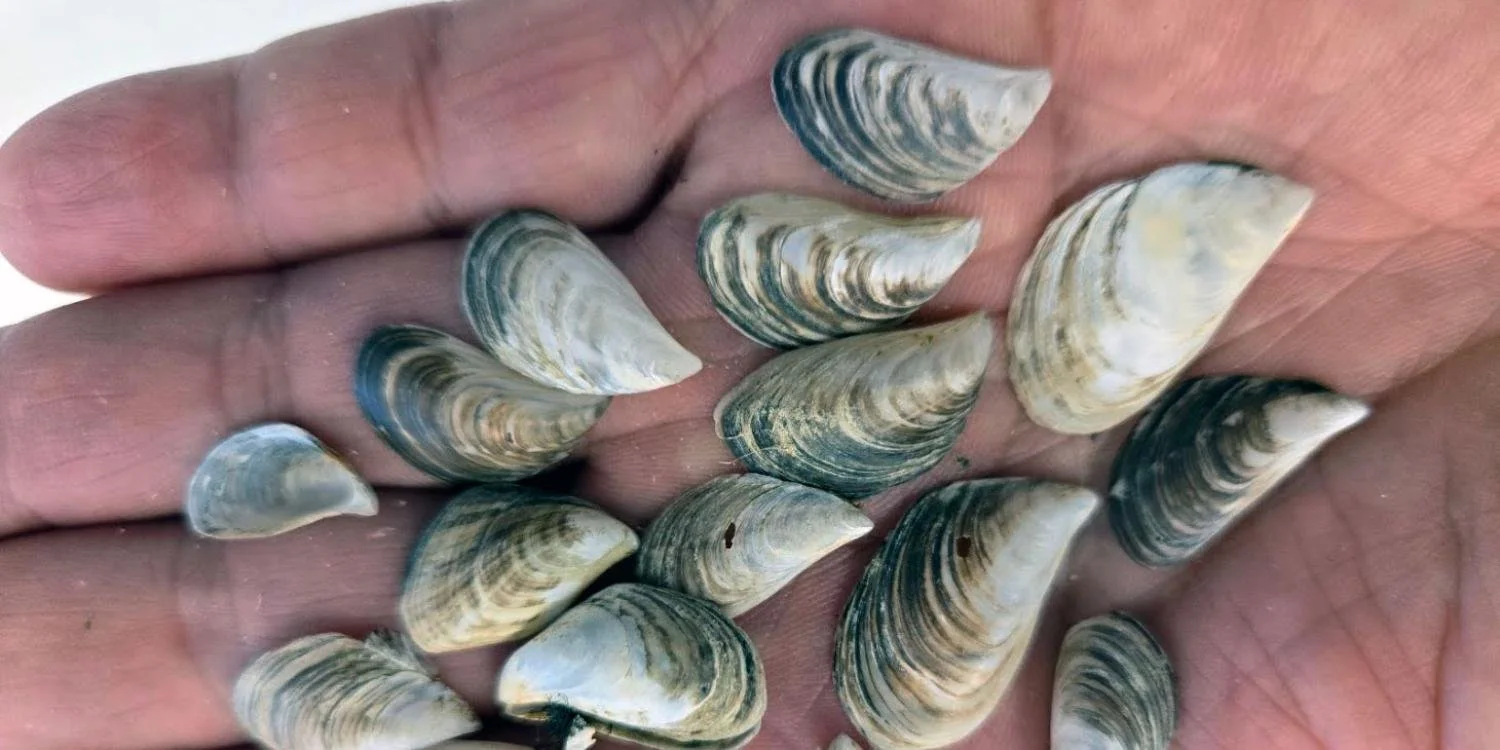
Quagga Mussel Shells. Photo Credit: Oregon Sea Grant Extension
In response to the quagga mussel detection in Twin Falls, Idaho in 2023 and the 2024 discovery of a new invasive mussel threat, golden mussels (Limnoperna fortunei) in central California, the Oregon Invasive Species Council began an extensive revision of the Dreissenid Mussel Rapid Response Plan. The revised plan, the [draft] Oregon Invasive Freshwater Mussel Rapid Response Plan, will enable the state to become more prepared and better able to coordinate an effective rapid response upon the confirmation of an invasive freshwater mussel detection.
The Plan is currently undergoing final internal updates and will be formally released for comment
and OISC approval in the coming months.
Invasive Mussel Rapid Response Exercises
Invasive freshwater mussel response preparedness can help protect and sustain ecosystem services, recreational opportunities, energy generation, and infrastructure. The development of rapid response plans and in-person response exercises has served to inform and build upon rapid response preparedness for the Columbia River Basin for over 20 years. The Columbia River Basin Dreissenid Mussel Plan was developed in 2007 and has been updated and revised multiple times. As part of this plan, rapid response exercises have been conducted throughout the Columbia River Basin in order to explore roles, responsibilities and potential response actions.
Oregon Invasive Species Council members, along with other agencies and stakeholders across the state who might play crucial role in responding to an invasive mussel response, have been active participants in these response exercises across the basin.
Goals and objectives range across a variety of scenarios but often include elements of the following:
Convene staff from relevant organizations and entities to identify and refine core components of a mussel response.
Harmonize management response relationships, roles, and responsibilities among agencies, Tribes, and partners.
Confirm and refine effective methods, tools, and techniques to prevent the further spread of mussels.
Identify internal operational response procedures to protect natural resources and associated ecosystem services.
Develop effective communication strategies that enhance the ability to prepare for a rapid response.
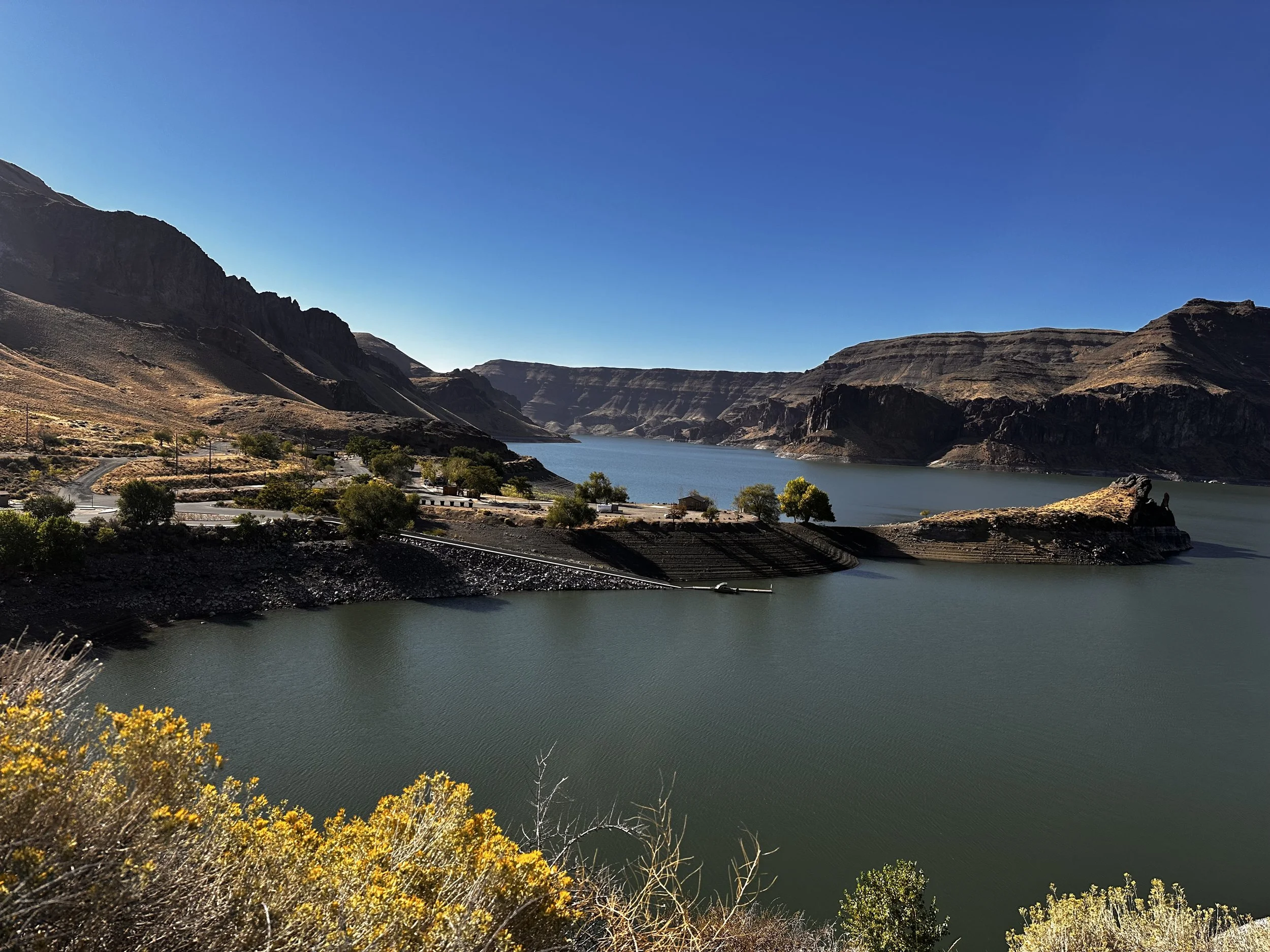
Lake Owyhee. Photo Credit: Robyn Draheim
Four response exercises have been convened in Oregon. After action reports are available for each.
Photo Credit: Vanessa MOrgan
The 2023 Oregon Aquatic Nuisance Species Management Plan, approved in 2024 by the Oregon Invasive Species Council and the Aquatic Nuisance Species Task Force, builds upon the successes of the original plan and is re-organized around six objectives, rewritten to reflect those in the Statewide Strategic Plan for Invasive Species, and the national Aquatic Nuisance Species Task Force Strategic Plan. Each objective includes a list of supplemental strategies and the specific actions needed to accomplish them.
Prevention
Early Detection and Rapid Response
Control and Management
Education and Outreach
Coordination and Leadership
Research, Evaluation, and Development
Emerald Ash Borer Readiness and Response Plan for Oregon
See OregonEAB.org for more Emerald Ash Borer management resouces